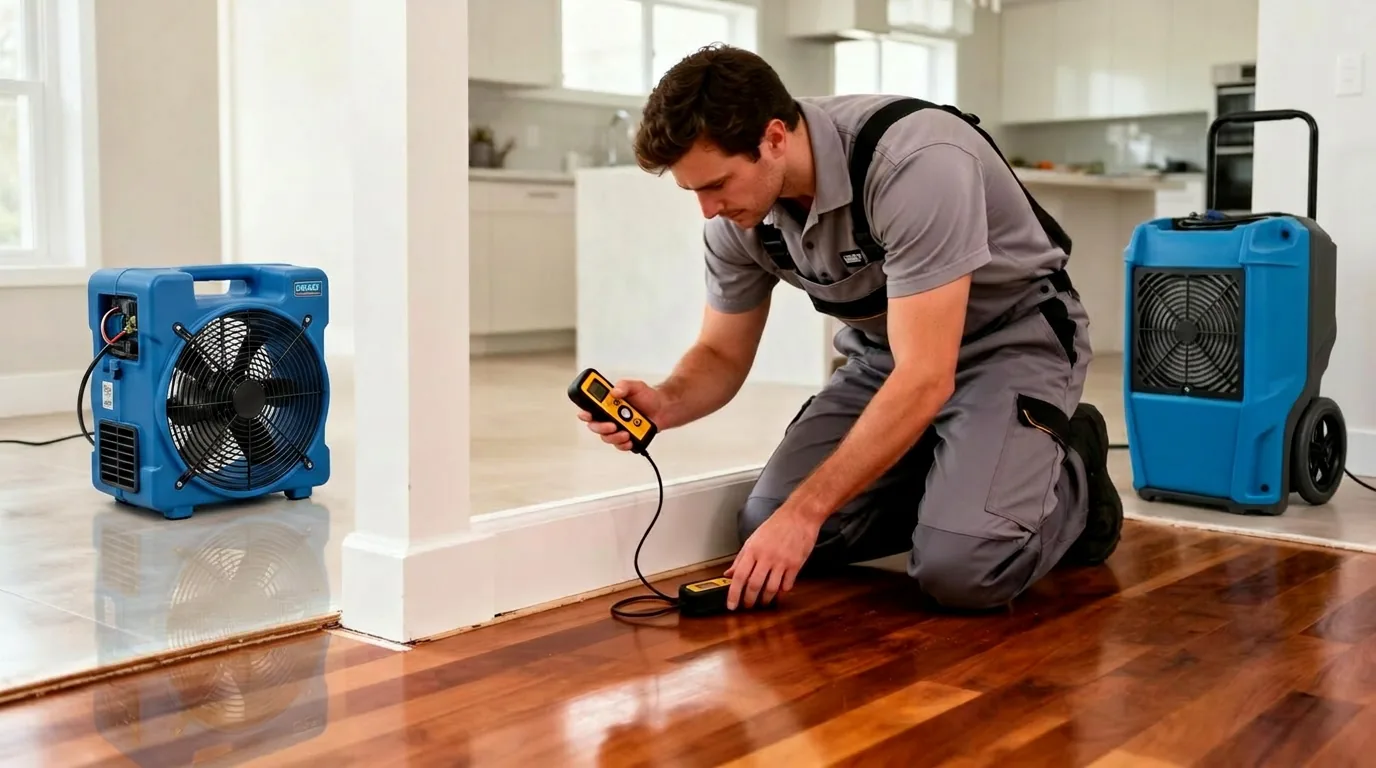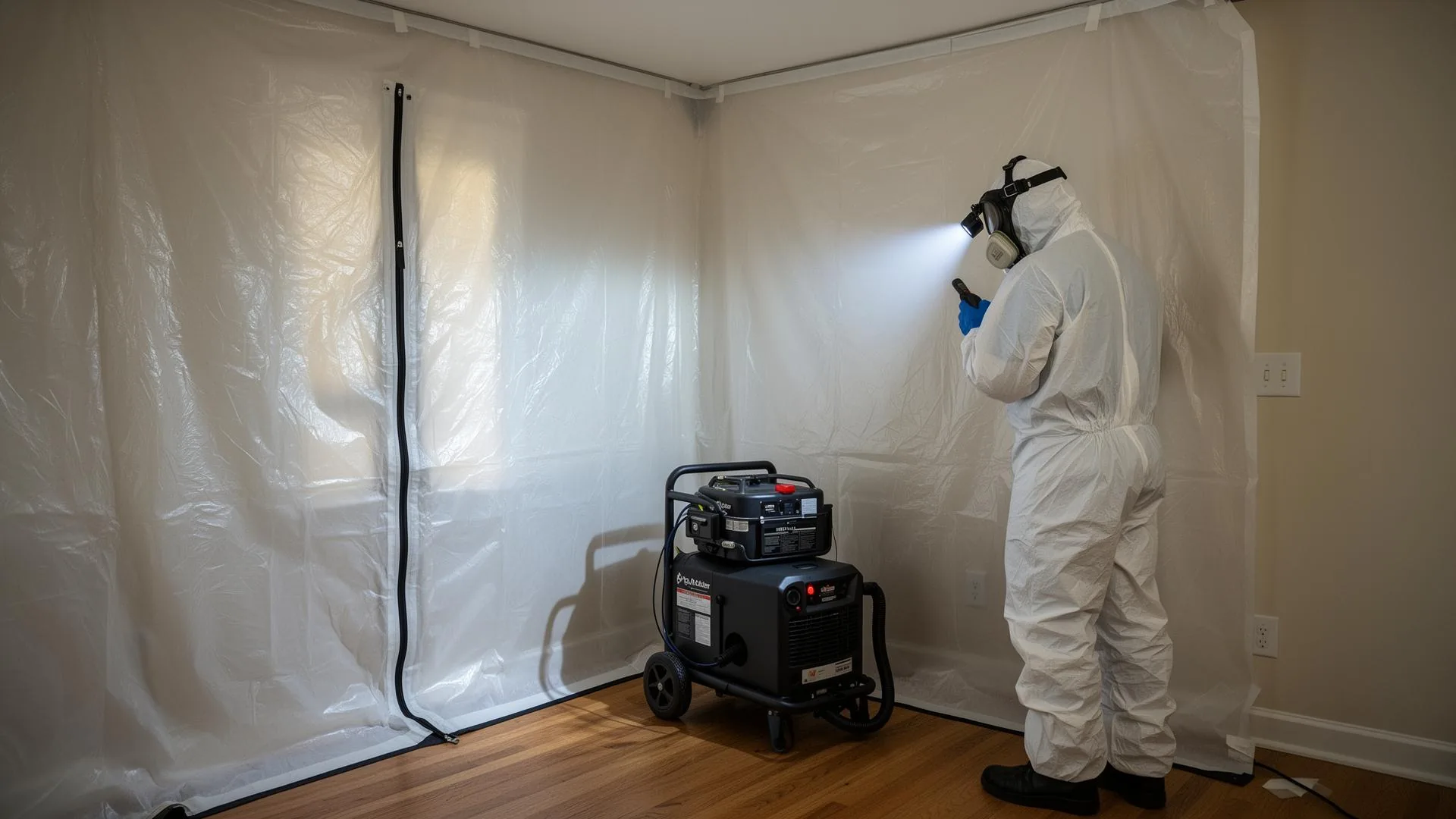
Guardian Restoration fire and smoke damage cleanup technician
Fire & Smoke

Fire & Smoke Damage Restoration

After fire or smoke damage, Guardian Restoration helps clean affected areas, manage odor concerns, document the damage, and communicate clearly through each step.

Licensed · Insured · IICRC|Local team serving nearby Utah communities

Even a small kitchen fire or furnace puff back can leave soot and odor through more of the home than people expect. Our role isn't to make the situation feel bigger than it is — it's to evaluate what's actually affected, use the right cleaning approach for each surface, and address odor at the source so the home feels like home again.

Cleanup Support After Fire or Smoke Damage

Smoke moves with airflow, settles on walls and ceilings, gets into HVAC components, and clings to soft surfaces and contents. Even after the visible mess is gone, residue and odor can stay behind. We focus on identifying everything that was affected, choosing cleaning methods that won't push soot deeper or set stains, and working through the property methodically rather than rushing.

What Our Fire & Smoke Process Includes

  • Smoke and soot inspection
  • Damage documentation
  • Soot cleanup
  • Odor control
  • Deodorization
  • Cleaning affected surfaces
  • Contents coordination when applicable
  • Insurance documentation when applicable

Common Fire & Smoke Situations We Help With

Kitchen fires

Smoke odor

Soot on walls and ceilings

Small appliance fires

Furnace puff backs

Garage fire smoke damage

Contents affected by smoke

Fire extinguisher residue

Why Smoke Damage Needs the Right Cleaning Approach

Soot reacts differently on different materials. Wet smoke residue, dry smoke residue, protein residue from kitchen fires, and fire extinguisher residue each call for a different cleaning method. Using the wrong product or technique can smear soot, set staining, or bond residue to a surface that would have cleaned up cleanly otherwise. Proper evaluation up front is what keeps cleanup from creating its own set of problems.

What To Avoid After Smoke Damage

A few things to hold off on until the affected surfaces have been evaluated.

  1. 1Do not wipe soot-covered surfaces without guidance
  2. 2Do not use household cleaners on affected materials without knowing the surface
  3. 3Do not run HVAC if it may spread odor or particles through the home
  4. 4Take photos before moving or discarding items
  5. 5Call Guardian Restoration for next-step guidance
FAQ

Common questions

Can smoke odor be removed?+

In many cases, smoke odor can be significantly reduced or removed with the right cleaning, deodorization, and source-control process. The right approach depends on the severity and materials affected.

Should I clean soot myself?+

It is usually better to get guidance first. Soot can smear or bond to certain surfaces if cleaned incorrectly, which can make cleanup more difficult.

Does insurance cover fire and smoke cleanup?+

Coverage depends on the policy, cause of loss, and claim details. Guardian Restoration can help document the damage and work performed, but coverage decisions are made by the insurance carrier.

How quickly should smoke cleanup start?+

Cleanup should begin as soon as practical. Odor and residue can become harder to address the longer they sit on affected materials.

Do you help with contents?+

Guardian Restoration can help evaluate and coordinate cleaning or handling of affected contents when applicable.

Need help after fire or smoke damage?

Guardian Restoration can help you understand what needs to happen next and begin the cleanup process with clear communication.

Call NowRequest Help