Water Damage Restoration in Northern Utah
When water damage happens, Guardian Restoration helps you respond quickly, dry the affected areas properly, and understand the next step with clear communication from start to finish.
Get help today
Request restoration help
Call first — 24/7 response for active damage
Call (385) 625-7333Water losses move fast. Pipes break, supply lines fail, water heaters give out, and within hours moisture is wicking into flooring, baseboards, and framing. Our local restoration team responds quickly, stabilizes the situation, and walks you through every step — from the first moisture reading to the final dry verification.
Fast Help for Sudden Water Damage
Most of the water losses we see aren't dramatic floods — they're pipe breaks behind a wall, a dishwasher line that let go overnight, a water heater that quietly emptied into a basement, or a toilet supply that failed while no one was home. Whatever the source, the priority is the same: stop the water, get the affected materials drying, and prevent the smaller problem from turning into a bigger one. We keep things calm, professional, and focused on protecting your home.
What Our Water Damage Process Includes
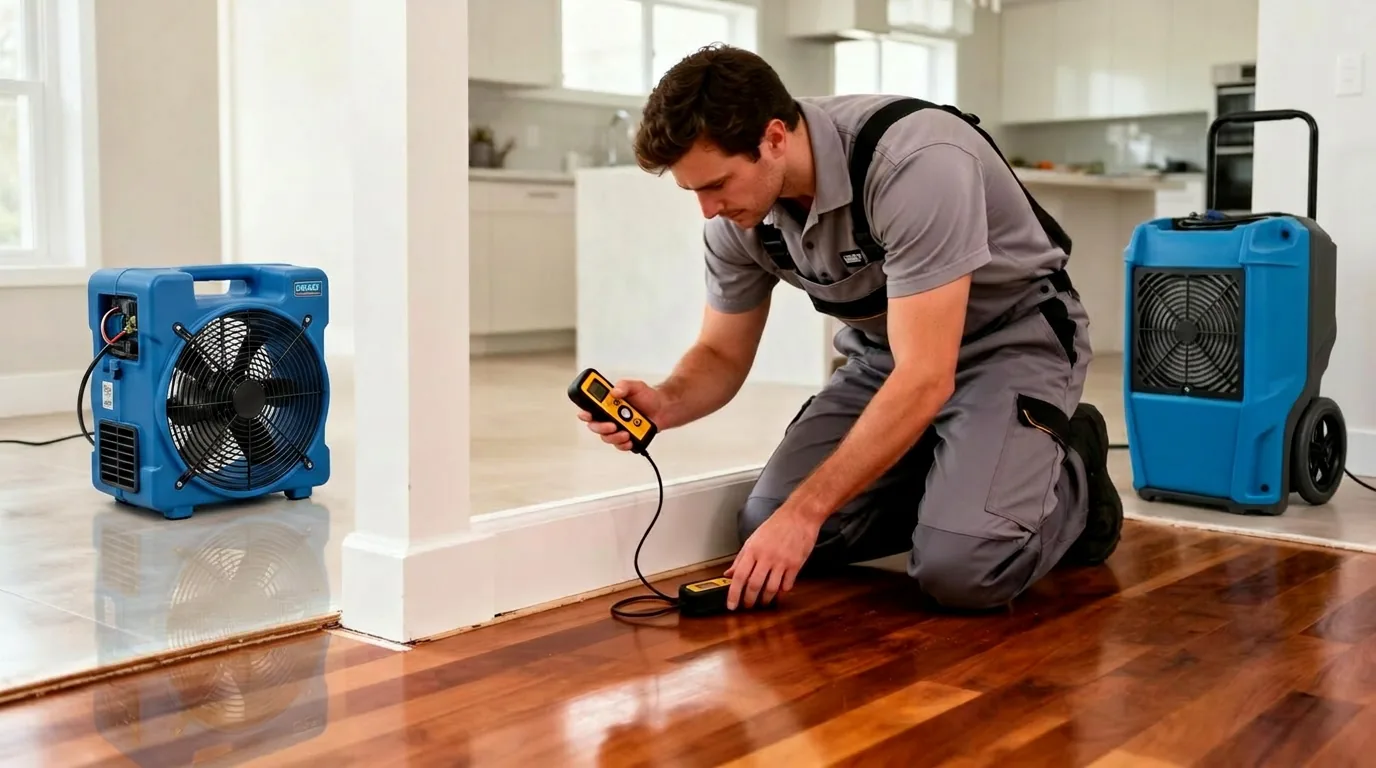
- Moisture inspection
- Water extraction when needed
- Drying and dehumidification
- Air movement and equipment setup
- Removal of unsalvageable materials when necessary
- Daily or regular moisture monitoring
- Documentation for insurance claims when applicable
Common Water Damage Situations We Handle
Pipe breaks
Appliance leaks
Water heater leaks
Supply line failures
Flooded basements
Toilet overflows
Sink and drain leaks
Wet drywall, flooring & baseboards
Clear Documentation for Insurance Claims
If insurance is involved, documentation matters. We photograph affected areas, log moisture readings, record the equipment used, and keep a written record of the work performed. We don't promise coverage or claim approval — those decisions belong to your carrier — but our documentation gives homeowners and insurance professionals a clear picture of the loss and the steps taken to address it.
What To Do Before We Arrive
A few simple steps can limit further damage while you wait for the crew.
- 1Stop the water source if it is safe to do so
- 2Avoid walking through standing water near electrical hazards
- 3Move small valuables away from affected areas if safe
- 4Take photos of visible damage before throwing anything away
- 5Call Guardian Restoration for guidance on next steps
Water damage restoration by city
Find local water damage guidance for communities across Northern Utah.
Water damage restoration questions
How fast should water damage be addressed?+
Water damage should be addressed as quickly as possible. The longer materials stay wet, the greater the chance of secondary damage, odors, and microbial concerns.
Does wet drywall always need to be removed?+
Not always. The decision depends on the water category, how long the material has been wet, how it is drying, and whether the material can be dried safely and effectively.
How long does drying usually take?+
Many water damage projects take several days to dry, but the timeline depends on the materials affected, the amount of moisture, humidity, airflow, and temperature.
Can you help with insurance documentation?+
Yes. Guardian Restoration can document photos, affected areas, moisture readings, equipment, and work performed when insurance is involved.
What should I do before the crew arrives?+
If it is safe, stop the water source, keep away from electrical hazards, move small valuables, and take photos of visible damage.
Need help with water damage?
Guardian Restoration can help you understand the next step, document the damage, and get the situation under control.