Sewage Cleanup in Northern Utah
Sewer backups and contaminated toilet overflows need controlled cleanup, not just drying. We assess the source, protect clean areas and explain which materials can safely be restored.
Get help today
Request restoration help
Call first — 24/7 response for active damage
Call (385) 625-7333A sewer backup needs more than extraction and a few fans. Category 3 black water can contain sewage and other harmful contaminants, so the first priorities are keeping people out, stopping the source safely and preventing contamination from traveling into clean areas. Guardian Restoration helps Northern Utah homeowners and small businesses assess the affected space, remove contaminated porous materials, clean remaining surfaces and document the work. We explain the scope in plain language, including what can stay, what cannot be reliably restored and what must be checked before finishes are replaced.
Keep people out before cleanup begins
- 1Keep children, pets and anyone not involved in the response out of the affected room. Avoid walking through sewage and then through clean rooms. Do not handle contaminated contents with bare hands or ordinary household gloves.
- 2Stop using fixtures that feed a backing-up drain. Arrange for a qualified plumber to identify and correct the blockage or failed connection. Cleanup equipment cannot fix a damaged sewer line or prevent another backup on its own.
- 3Do not enter standing water near outlets, appliances or electrical equipment. Have electrical hazards addressed from a safe location by the appropriate professional. Call emergency services for an immediate danger.
- 4Call (385) 625-7333, report the loss to your carrier and take photos only from a safe position. Do not run household fans across contaminated surfaces or carry wet items through occupied rooms before an access and disposal plan is established.
Category 3 means contamination changes the plan
IICRC S500 describes water categories based on contamination, not simply color or odor. Category 3 water is grossly contaminated and can include sewer backups and toilet overflows involving fecal matter. Not every toilet overflow has the same category: the contents, source and contact path must be assessed. Clear-looking water from a sewage source is not made safe by its appearance, and a dry surface is not automatically sanitary. We inspect where the water traveled, which materials absorbed it and whether adjacent spaces or contents were exposed. The category informs worker protection, containment, removal and cleaning decisions. Waiting can allow moisture and contamination to spread farther into porous assemblies. Our job is to explain those decisions honestly, not to promise that a disinfectant or a short drying cycle makes every contaminated item suitable to keep.
Inspection, containment and PPE
The inspection begins at the reported source and follows the water path into flooring, wall bases, cabinets and accessible cavities. We photograph conditions and map moisture using appropriate instruments, comparing suspect material with unaffected areas when possible. Thermal imaging may identify a location worth checking but does not identify pathogens or replace moisture readings. The work area is separated from clean areas as the conditions require, and the removal route is planned so bagged debris is not dragged through living space. Protective clothing, suitable gloves and boots, eye protection and any necessary respiratory protection are selected for the hazards and tasks. Respirators require proper selection and fit; a dust mask is not a substitute for a professional protection plan. These are controlled work practices, not instructions for a homeowner to enter sewage. Equipment and tools also need cleaning before they leave the affected area.
An example job: a sewer backup into a finished lower level
Picture an illustrative job pattern, not a claim about a named customer: a blocked sewer line backs up through a floor drain into a finished lower-level hallway and adjoining bedroom. Carpet and pad cover concrete, gypsum walls have batt insulation, and composite baseboards sit along the wet perimeter. A plumber corrects the backup before restoration proceeds. Inspection and moisture mapping confirm the wall contact is confined to the lowest two feet. The crew contains the affected rooms, protects the disposal route and extracts contaminated water with equipment suited to the work. Affected carpet and pad are removed rather than dried in place because sewage absorbed into those porous layers cannot be addressed by moisture removal alone. Swollen, contaminated composite baseboards are also removed. A 2 ft flood cut removes only the bottom 2 ft of affected drywall and insulation, not full-height walls. That opens the low cavity for cleaning and drying while verified unaffected upper drywall and insulation stay. Exposed concrete and sound accessible framing are physically cleaned, treated with an appropriate registered antimicrobial product according to its label, and dried to documented goals. If an accessible material cannot be adequately cleaned, that finding is documented for a separate scope decision. S500-based practice supports removing affected porous material and cleaning salvageable assemblies; it does not prescribe an automatic two-foot cut regardless of contamination height. This example uses that limited cut because the inspection supports it. Replacement finishes wait until source repair, cleaning and drying have been addressed, with further verification arranged when the conditions require it.
Removing porous materials is not the same as gutting a room
Carpet pad, sewage-affected insulation, gypsum and absorbent composite trim can hold contamination where surface cleaning cannot reliably reach it. They are evaluated for removal within the affected scope. Sound concrete and accessible wood framing may remain when their condition allows adequate cleaning and drying. Cabinets and contents need their own assessment: a hard exterior does not mean an absorbent backing or enclosed cavity is cleanable. In the low-level drywall water losses described on this page, only the bottom 2 ft of affected drywall and insulation are removed as a 2 ft flood cut, while verified unaffected upper material is preserved. That is not a full-height tear-out plan and not a guarantee that every backup stops at that height. We document the boundary and explain any condition outside it rather than leave affected material behind simply to match a measurement. Removal is based on contamination and access, not a preference to replace everything.
Cleaning and sanitizing come before the dry check
After extraction and controlled removal, remaining accessible surfaces need physical cleaning to remove residue. An antimicrobial product is not a shortcut around sewage left on a floor, framing or a tool. Where appropriate, we use a registered product suitable for the surface and follow its label for application, contact time, ventilation and protective measures. Products are never casually mixed, and people stay out of the controlled work area as required. This sequence follows S500-based contamination management: remove what cannot be reliably cleaned, clean what can remain, apply appropriate treatment and verify drying. It does not promise sterilization or zero health risk. Persistent odor, hidden cavities, vulnerable occupants or unusually complex contamination can call for additional assessment and independent verification. Drying equipment is positioned after contamination controls are in place, not used to circulate particles through the building during uncontrolled cleanup.
What the sewage cleanup process includes
- Confirm safe access and coordinate plumbing source control. Document the source, affected rooms, visible contact and moisture readings before removal changes the scene.
- Establish the work boundary, worker protection and a controlled disposal route. Separate affected contents for evaluation instead of carrying them directly into clean rooms.
- Extract sewage, remove affected porous materials and expose low wall cavities with a scoped 2 ft flood cut where the inspected conditions support it.
- Physically clean accessible retained materials and apply appropriate antimicrobial treatment according to the product label. Clean tools and equipment before transfer out of the affected space.
- Monitor drying, document remaining conditions and coordinate reconstruction after the cleanup and moisture goals are addressed. Arrange additional evaluation when the loss requires it.
Claims, contents and the repair handoff
Sewer-backup coverage varies by policy and may depend on an endorsement, the cause of the backup and policy limits. We document the damage and restoration work; your carrier decides coverage and payment. Keep plumbing findings, safe photos and a list of affected contents. Some items can be cleaned, while absorbent belongings directly affected by sewage may not be suitable to retain. We explain that evaluation without inventing a salvage guarantee. Disposal photographs and material quantities help make the removal scope understandable even after the debris has left the site. Before reconstruction, the plumbing problem must be corrected and the cleaning and drying record reviewed. Guardian Restoration provides practical next steps for Northern Utah properties, including coordination between cleanup and repairs. Call (385) 625-7333 or request service for help with an active backup; do not enter an unsafe room to prepare it for our arrival.
Other ways we can help
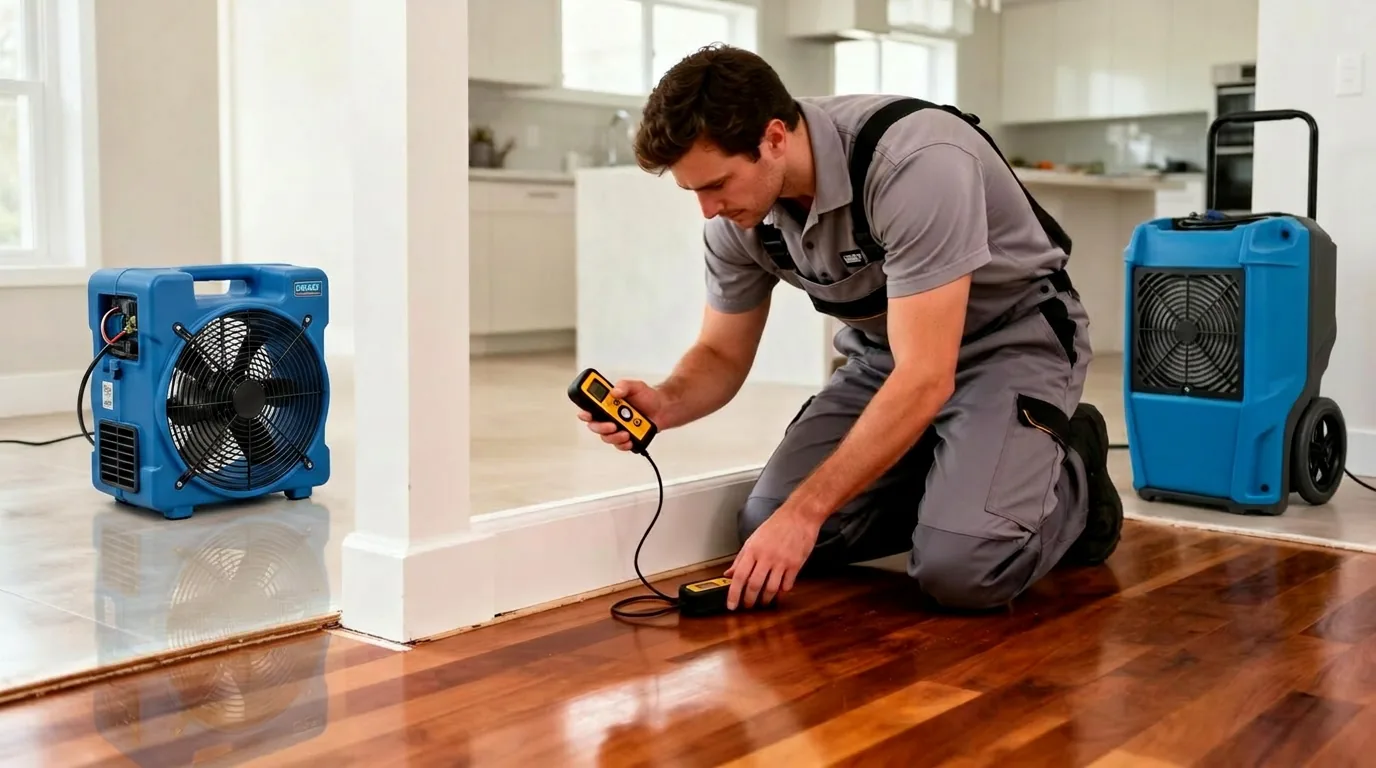
Water Damage Restoration
Pipe breaks, appliance leaks, flooded basements, and other sudden water losses.
Learn more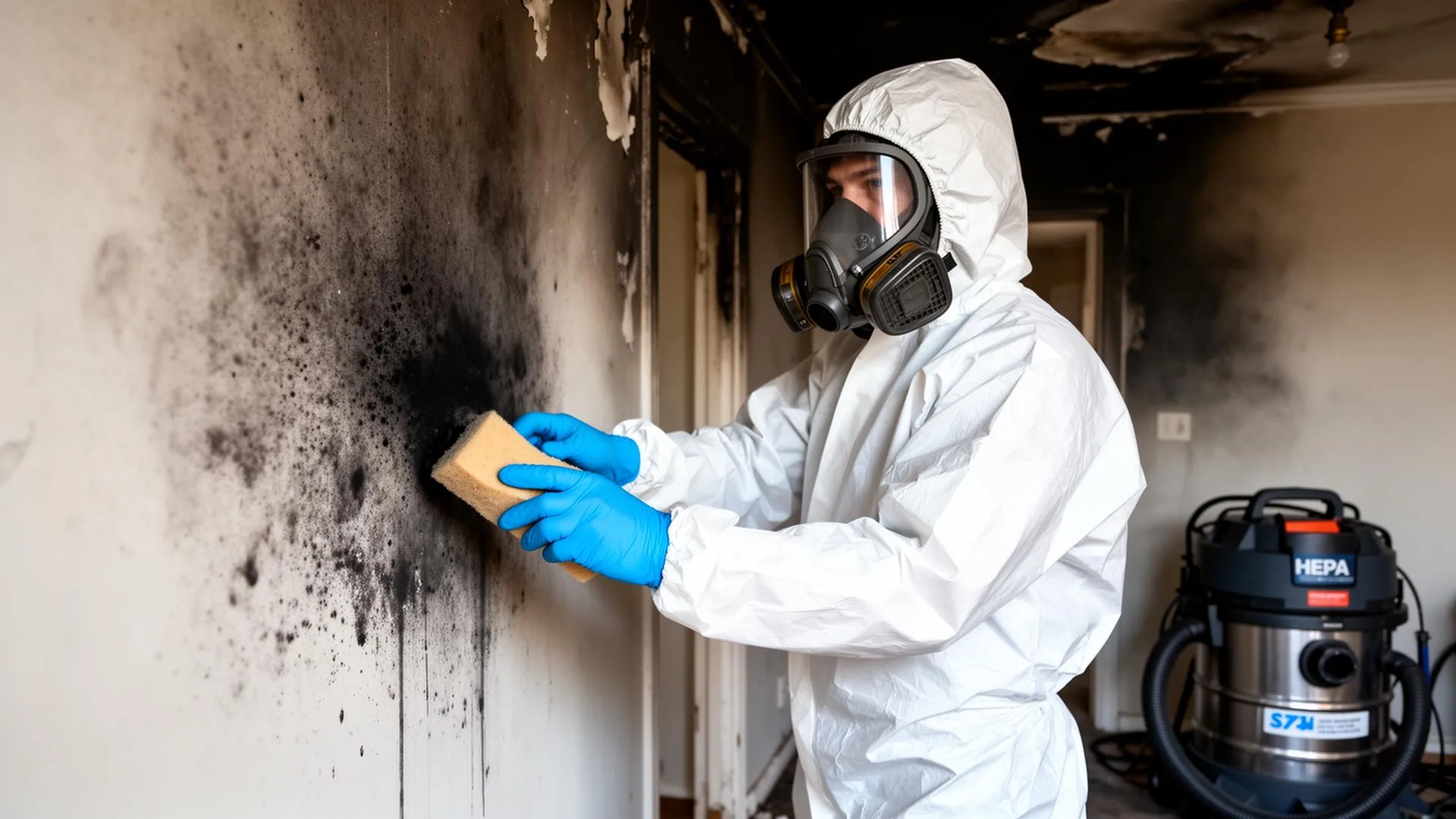
Fire & Smoke Damage Restoration
Soot cleanup, smoke odor control, and restoration support after fire damage.
Learn more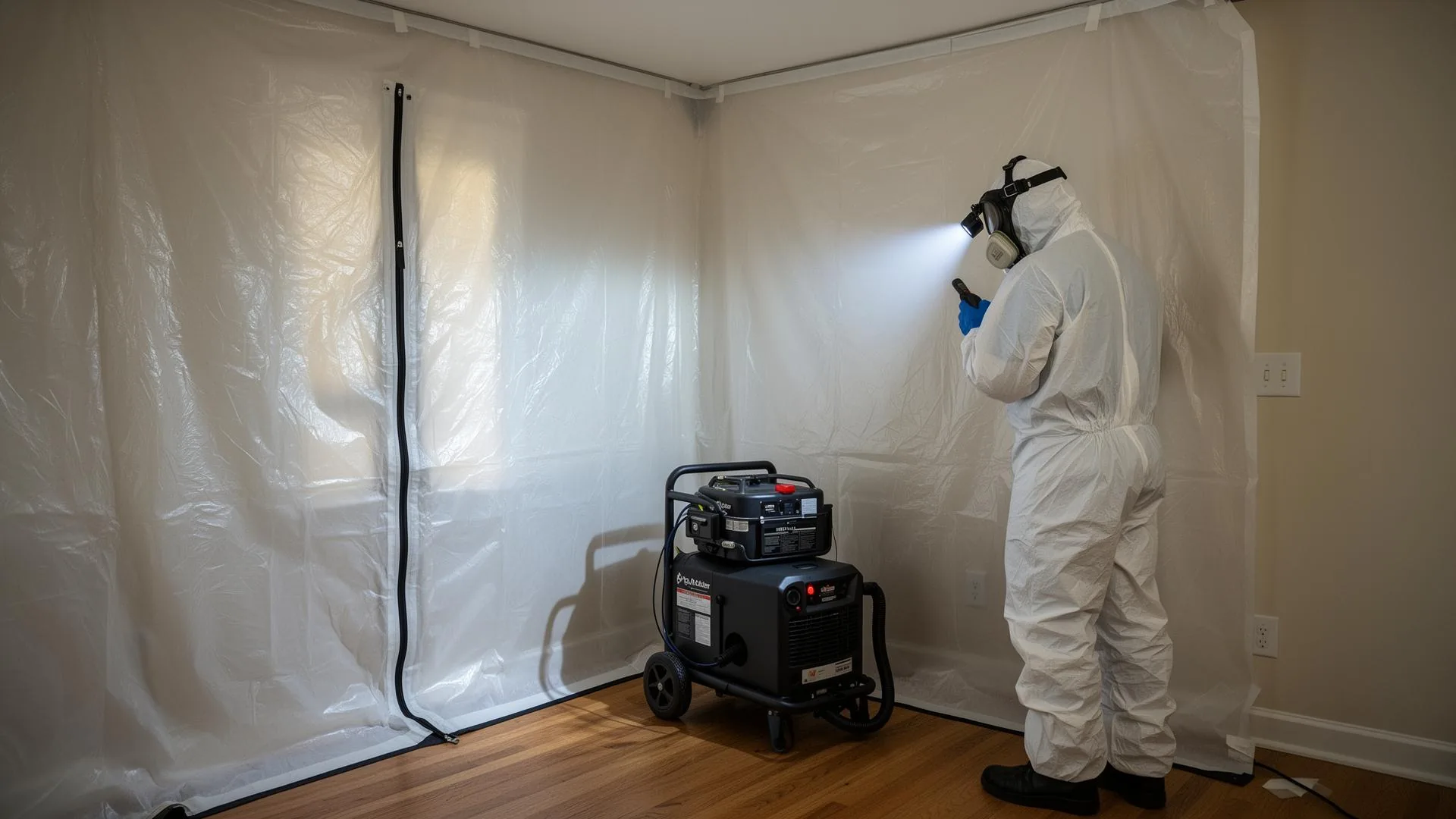
Mold Remediation
Containment, removal, and cleanup with focus on the moisture source.
Learn moreSewage cleanup questions
Is every toilet overflow Category 3 black water?+
No. An overflow involving fecal matter or a sewer backup is treated as grossly contaminated Category 3 water. Other toilet overflows require assessment of the source, contents and contact path. Do not judge safety by the water's appearance.
Can sewage-soaked carpet and pad be dried and kept?+
Affected carpet and pad generally need removal because drying does not remove absorbed sewage contamination. We assess other porous materials and explain what cannot be reliably cleaned. Sound accessible materials may remain when they can be properly cleaned and verified dry.
How much drywall is removed for a low-level backup?+
When inspection confirms a low-level affected scope, a 2 ft flood cut removes only the bottom 2 ft of affected drywall and insulation, not the full wall height. Verified unaffected upper material stays. Two feet is not an S500 mandate or a reason to ignore contamination beyond the inspected boundary.
Can I sanitize the room myself with bleach and fans?+
Do not enter or circulate air through a sewage-affected room without a proper safety and containment plan. Physical cleaning and appropriate label-directed antimicrobial treatment follow controlled removal. Household fans and a disinfectant alone do not make contaminated porous materials safe.
Will insurance pay for sewer-backup cleanup?+
That depends on your policy, endorsements and cause of loss. Guardian Restoration documents affected materials, cleaning, removal and drying; the carrier decides coverage. Call (385) 625-7333 for help with an active sewage loss in Northern Utah.
Keep out of the affected space. Call for help.
Call (385) 625-7333 for sewage cleanup in Northern Utah. We help plan safe access, controlled removal, cleaning and documented drying.