Storm Damage Restoration in Northern Utah
Wind, hail, roof leaks, ice dams and runoff can leave damage well beyond the entry point. We help secure the next step, track hidden moisture and document a practical cleanup plan.
Get help today
Request restoration help
Call first — 24/7 response for active damage
Call (385) 625-7333A storm loss rarely ends where the water first appears. Wind can loosen a roof edge, hail can damage a covering, and meltwater can find a route through a window well or an opening that looked sound yesterday. Guardian Restoration helps Northern Utah homeowners and small businesses stabilize the affected space, track where moisture traveled, and plan cleanup around the materials actually involved. We explain what can be dried, what needs limited removal, and what a roofer or another repair specialist needs to address before the loss can be closed.
First make the building safe
- 1Stay away from fallen wires, leaning trees, sagging ceilings and standing water near electrical equipment. Call emergency services for an immediate danger. Do not climb onto a wet, icy or wind-damaged roof to inspect it yourself.
- 2If it is safe, move people, pets and dry belongings away from the wet area. Photograph the entry point and affected rooms from a safe position. Do not step into floodwater to rescue furniture or switch off a submerged electrical panel.
- 3Call (385) 625-7333 for restoration help and report the loss to your carrier. Temporary protection, extraction and documentation can begin once access is safe; permanent roof repairs need the appropriate qualified trade.
Wind, hail and roof leaks: follow the whole path
Wind and hail can leave obvious exterior damage, but an interior stain does not tell the whole story. Water may travel along roof decking, framing or a pipe before appearing in a ceiling. We inspect accessible affected areas, record moisture readings and compare them with nearby dry material. Thermal imaging can help locate temperature differences worth checking; it does not see through every wall and cannot confirm moisture without further inspection. We coordinate temporary protection where appropriate and separate the interior drying scope from the roof repair. Ceiling finishes, roof assemblies and low-level wall wetting need their own assessment rather than the same removal plan. A dry-looking paint surface is not proof that insulation or concealed wood is dry, and replacing shingles alone does not finish an interior water loss.
Ice dams and snowmelt need source control
Northern Utah winter conditions can produce melting snow followed by refreezing at roof edges. When ice blocks normal drainage, water can back up beneath roofing and reach the interior. Snowmelt can also collect near foundations or fill a window well when drainage is blocked. We document the suspected entry route and coordinate with the appropriate repair specialist rather than promising that drying equipment fixes the exterior cause. Do not chip ice from a roof while standing on a ladder or apply an improvised heat source near combustible material. Inside, we check ceilings, wall bases, trim and flooring along the water path. Drying starts after safe access and source control are established. Repeated thawing can re-wet an area that was improving, so follow-up readings and a clear repair handoff matter as much as the first extraction.
Flooding and runoff are not automatically clean water
Water that crosses soil, streets or a contaminated drain can carry more than moisture into a building. We evaluate the source, the route it took and the materials it touched before deciding on cleaning and drying. Outside floodwater is treated as potentially highly contaminated, not as a routine plumbing leak. Affected carpet pad, insulation and other porous finishes may need removal because drying them does not remove contamination. Where work could spread debris into clean rooms, we establish a controlled work area and protect the access route. Fans are not placed to blow contaminated particles through occupied space. The assessment follows IICRC S500 principles for water category, affected materials and drying verification; it is not a promise that every storm requires the same equipment or the same demolition.
An example job: snowmelt through a basement window well
Consider an illustrative Northern Utah loss: snowmelt collects in a window well and enters a finished basement family room. This is a realistic job pattern, not a customer testimonial. The room has carpet and pad over concrete, painted gypsum walls, batt insulation and wood baseboards. Once entry is controlled and the room is safe, we photograph the water line, inspect the well and map moisture across the floor and lower wall cavities. Inspection confirms that the affected wall area is confined to the bottom two feet. We isolate the work area, protect the route used to carry debris out and evaluate the runoff as contaminated rather than assume it is clean snow. The affected carpet and pad are removed because they absorbed contaminated water. Swollen baseboards are removed because they cannot be reliably restored to their original shape. At the affected walls, a 2 ft flood cut removes only the bottom 2 ft of drywall and insulation, not the full wall height. That exposes the wet cavity for cleaning and drying while leaving verified unaffected upper drywall and insulation in place. Accessible framing and concrete are cleaned, then dried and checked with repeat readings. The S500-based rationale is to remove contaminated or damaged porous material and preserve sound material that can be cleaned and verified dry. The two-foot cut describes this inspected low-level scope, not a universal S500 rule or permission to leave contamination above it. New finishes are coordinated only after the moisture source and drying results have been addressed.
What the restoration process includes
- Document conditions before moving contents: exterior openings, water lines, affected finishes, safe access limitations and the suspected storm entry route.
- Stabilize the loss with appropriate temporary protection and extraction. Coordinate roof, drainage or window-well repairs with the relevant specialist instead of treating drying as source repair.
- Map moisture by material, determine water category and explain the cleaning or removal scope. For inspected low-level wall losses, explain the 2 ft flood cut rather than defaulting to full-height tear-out.
- Clean accessible surfaces and set a drying plan suited to the assembly. Monitor material readings and room conditions, adjust equipment, and document why affected materials are retained or removed.
- Coordinate reconstruction after drying is verified. Provide a clear record of affected areas, disposal, cleaning, equipment and the remaining exterior repair needs.
What we save, and what needs to come out
Solid framing and concrete can often stay when they are structurally sound, accessible for cleaning and capable of reaching the documented drying goal. A finish may need limited lifting or removal to reach trapped moisture underneath, even when its top surface appears intact. Wet insulation inside a low wall cavity can obstruct drying; contaminated pad cannot be made suitable simply by running a dehumidifier. For the low-level drywall losses described here, the plan is a 2 ft flood cut: only the bottom 2 ft of affected drywall and insulation are removed, with the upper wall retained when inspection verifies it is unaffected. We do not describe full-height tear-out as a standard response. Roof damage, ceiling damage or contamination outside that low-level scope requires a separate assessment. The decision is explained before removal so you understand both the access needed and the material we are preserving.
Insurance documentation without coverage promises
Storm claims can involve different causes and policy provisions. Wind damage, a roof leak, surface flooding and long-term seepage are not interchangeable insurance terms. Guardian Restoration documents what we observed, the reported timing, the moisture map, removed materials and the work performed. Your carrier decides coverage, deductibles and payment; we do not promise approval or describe every storm loss as covered. Keep photos, repair invoices and any safe record of temporary protection. Ask the carrier what it needs before discarding items, but do not delay necessary safety measures while waiting for a routine claim response. We can explain the restoration scope and identify repair work that remains outside it. For active storm damage in Northern Utah, call (385) 625-7333 or request service so the next step is based on the actual condition of the building.
Other ways we can help

Water Damage Restoration
Pipe breaks, appliance leaks, flooded basements, and other sudden water losses.
Learn more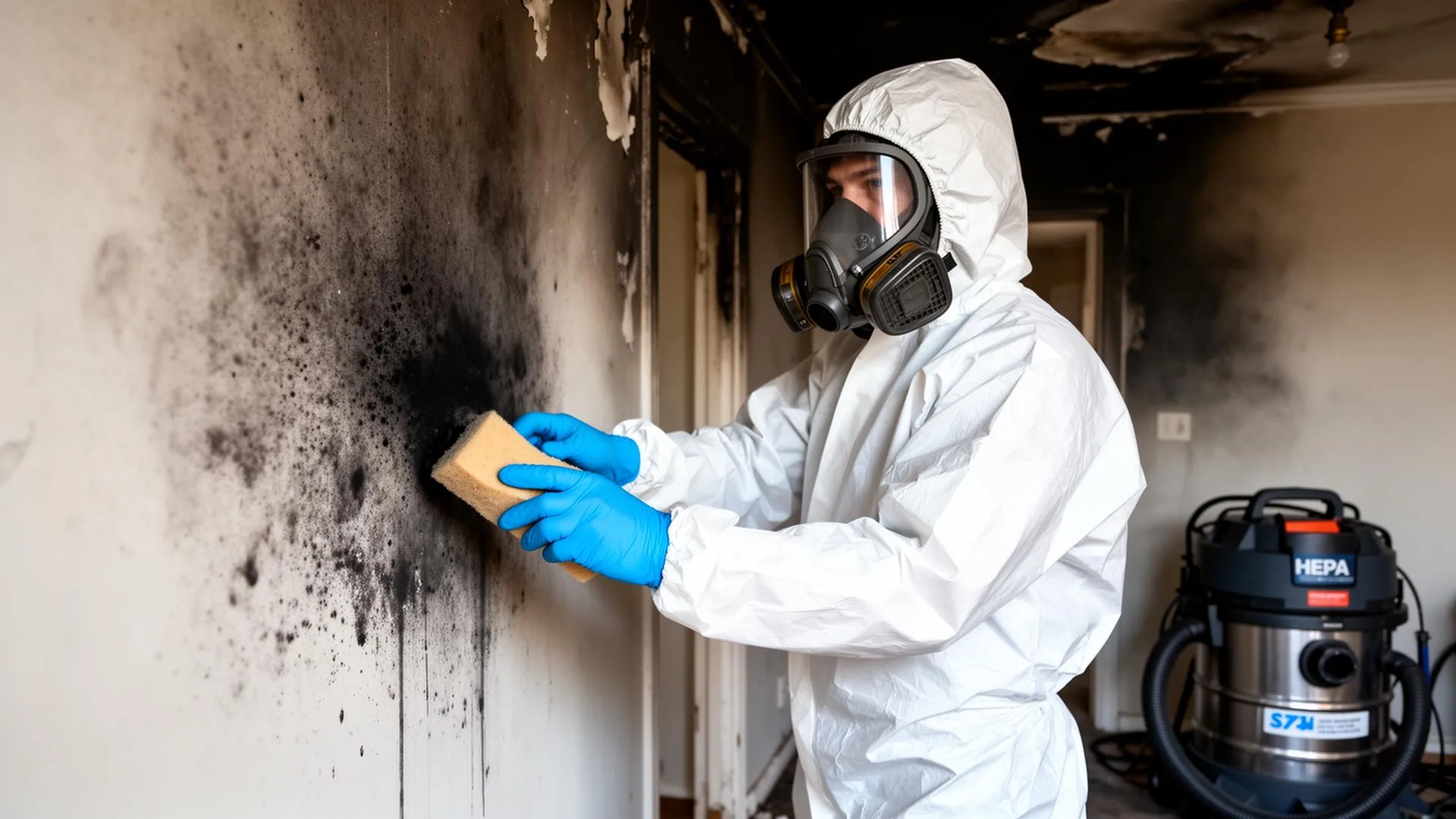
Fire & Smoke Damage Restoration
Soot cleanup, smoke odor control, and restoration support after fire damage.
Learn more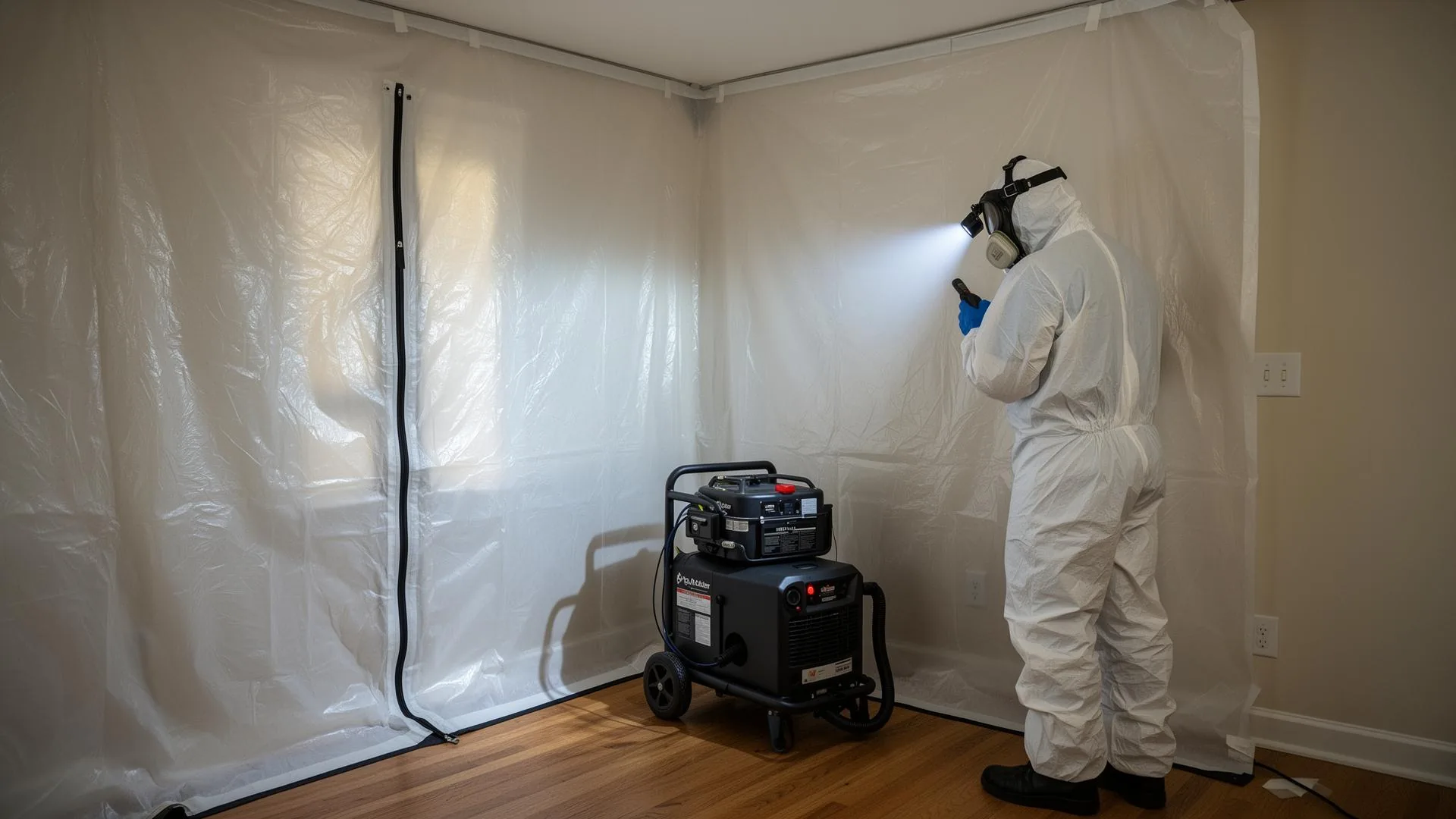
Mold Remediation
Containment, removal, and cleanup with focus on the moisture source.
Learn moreStorm damage restoration questions
Do you help after wind, hail and roof leaks?+
Yes. We assess affected interior materials, document moisture and coordinate stabilization and drying. Roof repairs belong with the appropriate qualified trade; interior cleanup does not replace fixing the opening that let water in.
Can you help with ice dams and snowmelt?+
Yes. We inspect the interior water path, document affected assemblies and plan drying after safe access and source control. A roofing or drainage specialist may be needed to correct the exterior cause. Do not climb onto an icy roof yourself.
Will all the drywall be removed?+
No. For an inspected low-level wall loss, a 2 ft flood cut removes only the bottom 2 ft of affected drywall and insulation; verified unaffected upper material stays. That is a scoped access and removal plan, not a universal S500 measurement or a substitute for assessing damage elsewhere.
Is storm flooding treated like a clean pipe leak?+
Not automatically. Water traveling across soil or through contaminated drains can carry significant contamination. We evaluate the source and contact path, contain the work when needed, and remove affected porous material that cannot be reliably cleaned.
Does homeowners insurance cover storm cleanup?+
Coverage depends on the policy and cause of loss. We provide photos, moisture readings and a record of the restoration work. The insurance carrier decides coverage and payment. For active damage in Northern Utah, call (385) 625-7333.
Storm damage needs a clear next step
Call (385) 625-7333 for storm cleanup help in Northern Utah. We explain the affected materials, drying plan and repair handoff without promising insurance coverage.